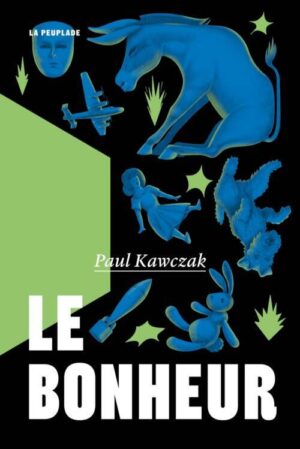
A stroke of genius in the sky of the novel.
Autumn 1942, near Besançon, Jacquot, Pinou and Suzanne hide under the ruins of the Château de Montfaucon, in a cave where the Devil is said to reside.
On the surface, a faceless Nazi officer, SS-Sturmbannführer Peter Pannus, stalks them like a wild beast, prowling around the château and Madame Beugnot’s little grocery store. It is later revealed that this chilling man with a mysterious past suspected the children of possessing immense powers. Powers that could have changed the course of the war. There’s no evidence to support these rumors, of course. But how to explain this strange green light, which several witnesses reported seeing escaping from the monster and its victims?
Continuing his exploration of history in the style of magic realism, Paul Kawczak here revisits the period of the Occupation. Literary and political, Le bonheur turns a thrilling adventure into a reflection on solidarity, art and democracy. A tribute to the children sacrificed on the altar of fascism, and to the women who protected them.